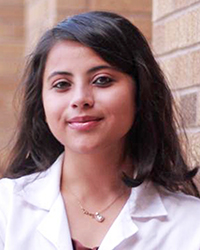
 By Dr. Arushee Bhatnagar
Recipient of the 2025 Intealth Well-being Grant Opportunity: Projects Supporting IMG Physician Wellness
When I boarded a flight from India to pursue residency training in the United States, I carried the hopes and aspirations shared by countless other international medical graduates (IMGs). I saw myself growing as a physician within a new healthcare system, while continuing to serve patients with compassion and purpose. I knew the road ahead would not be easy. What I did not fully anticipate was the emotional and practical transition that followed.
Residency brought not only clinical responsibilities but also the challenge of building a life in a new country, navigating cultural differences, and finding belonging far from family and familiar support systems. Beyond preparing for residency, I was also learning to get through everyday life in a completely unfamiliar environment. Simple tasks often felt unexpectedly complex. I remember trying to purchase my first car and realizing how little I understood about credit, financing, leasing, and insurance. What seemed routine to others became yet another lesson in adaptation for me. Moving thousands of miles away from family and friends also meant missing birthdays, weddings, holidays, and all the everyday moments that anchor us to home.
As I progressed through my family medicine residency at Texas Tech Health El Paso, I realized these experiences were not unique to me. Our residency cohort represented a rich tapestry of cultures: India, Pakistan, Egypt, Palestine, Uganda, Mexico, Canada, and the Philippines. Despite our differing backgrounds, many shared themes emerged in our conversations, such as homesickness, financial stress, immigration uncertainties, and demanding residency schedules. I witnessed the resilience of our residents when we came together. Sharing our staple foods, exchanging stories, celebrating cultural traditions, and supporting one another through difficult rotations created moments of genuine connection. These experiences reminded us that we were not alone.
They also became the foundation for what would eventually become The Wellness Passport, a project supported by the 2025 Intealth Well-being Grant Opportunity.
When we learned about the Intealth Well-being Grant, we saw a chance to transform our reflections into action. We envisioned a program that would move beyond burnout prevention to foster joy, connection, cultural pride, and belonging.
The selection of our proposal was deeply validating. It affirmed that IMGs matter and deserve investment. More importantly, it gave us the opportunity to build something many of us wished we had upon arrival: a structured space for connection and community.
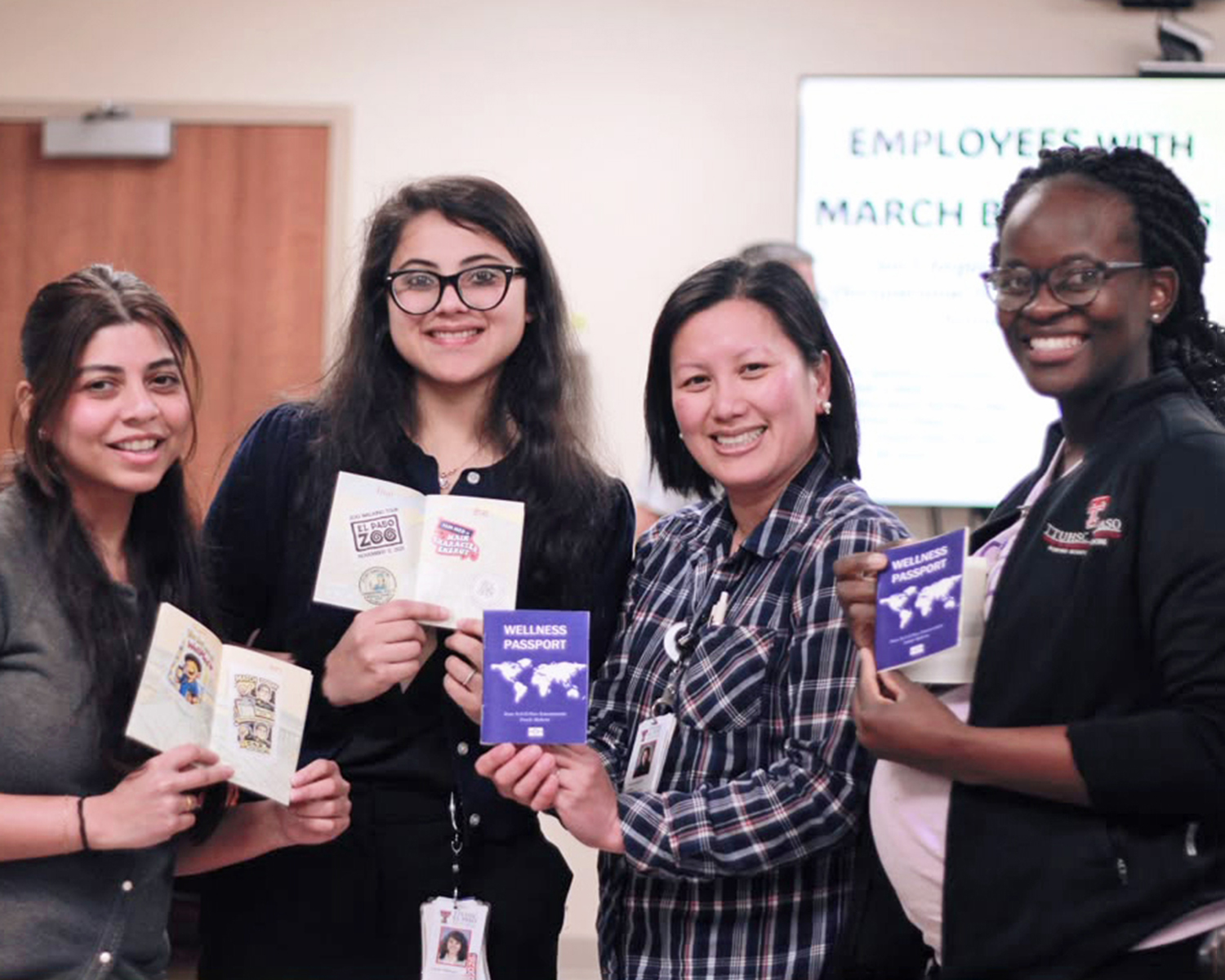
Creating the Wellness Passport
From the outset, we wanted the Wellness Passport to differ from traditional wellness programs. Rather than isolated events, we created a year-long journey of gamified activities, peer engagement, and cross-cultural exchange. Residents received a passport that encouraged participation in these activities. The goal was to create a space for residents to reconnect with themselves and each other outside clinical demands.
Each event or activity represented a pillar of engagement and self-care. We organized a canvas painting workshop that allowed residents to step away from clinical roles and engage in creative expression, as well as a pottery session that offered hands-on mindfulness and shared laughter through imperfection and play. We hosted a wellness retreat and picnic at White Sands National Park, where residents shared meals and conversations in a restorative natural setting, as well as a movie night and Topgolf social outing. Each event looked different, but all shared the common purpose of building community.
One of the most meaningful components of the Wellness Passport was the “Little Wins, Big Impact” initiative, in which residents earned “stamps” (printed on stickers) in their passports for small, everyday wellness-supporting actions, including hydration, sleep, exercise, stepping away from work, and completing a difficult call week.
While simple in design, this initiative shifted perspective. Residency culture often rewards endurance over self-care. This program reframed well-being as something both valid and worthy of visibility. As shared by one of our residents, “For the first time, I felt it was okay to take a Saturday off for a hike because I was getting a stamp for it. It reframed self-care as productive.”
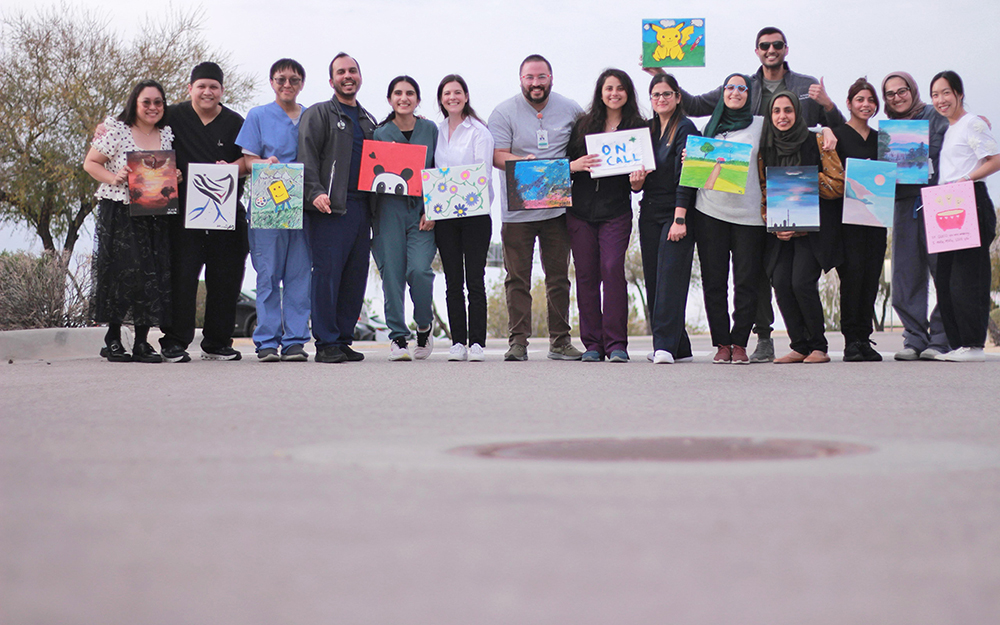
That reflection captured our true intent in “gamifying” wellness: to encourage and normalize it.
Impact
Over the academic year, participation in the Wellness Passport reached 100 percent. Activities ranged from creative workshops to outdoor retreats and cultural gatherings. Residents received custom jackets as keepsakes of their achievement. I watched residents who initially attended quietly and kept to themselves gradually become deeply engaged, forming friendships and support systems that extended beyond organized events.
Survey data reflected this shift. Post-program responses showed a 40 percent reduction in self-reported isolation among participants attending at least two events. The survey also highlighted improvements in peer connection (74 percent increase), belonging (67 percent), and stress relief (52 percent). Additionally, 81 percent reported forming at least one meaningful new peer relationship through the program.
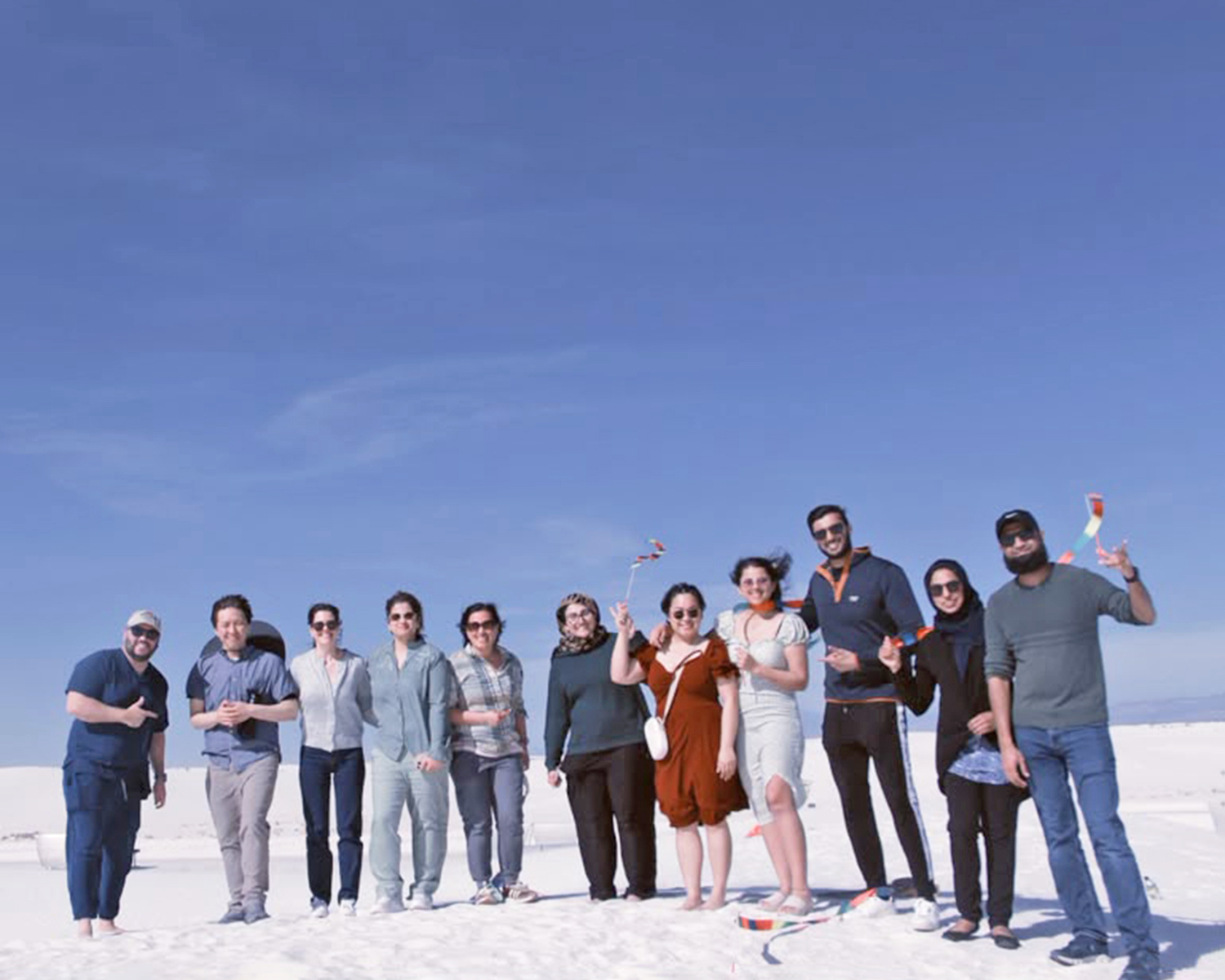
One resident shared a reflection that stayed with me: “I no longer feel like the foreign doctor. I feel like part of the family.”
This statement articulates the fundamental desire to belong that all IMGs share. While the numbers are meaningful, what matters most is what they represent: residents feeling less alone, friendships forming across cultures, and a stronger sense of community. Building on this success, we are developing Wellness Passport 2.0, which is focusing on expanded accessibility, resident-led programming, and deeper cultural exchange. A wellness guide handbook is being written for the incoming class. We are also exploring integration of the Wellness Passport framework into future residency wellness structures to ensure sustainability beyond a single cohort.
A Personal Reflection
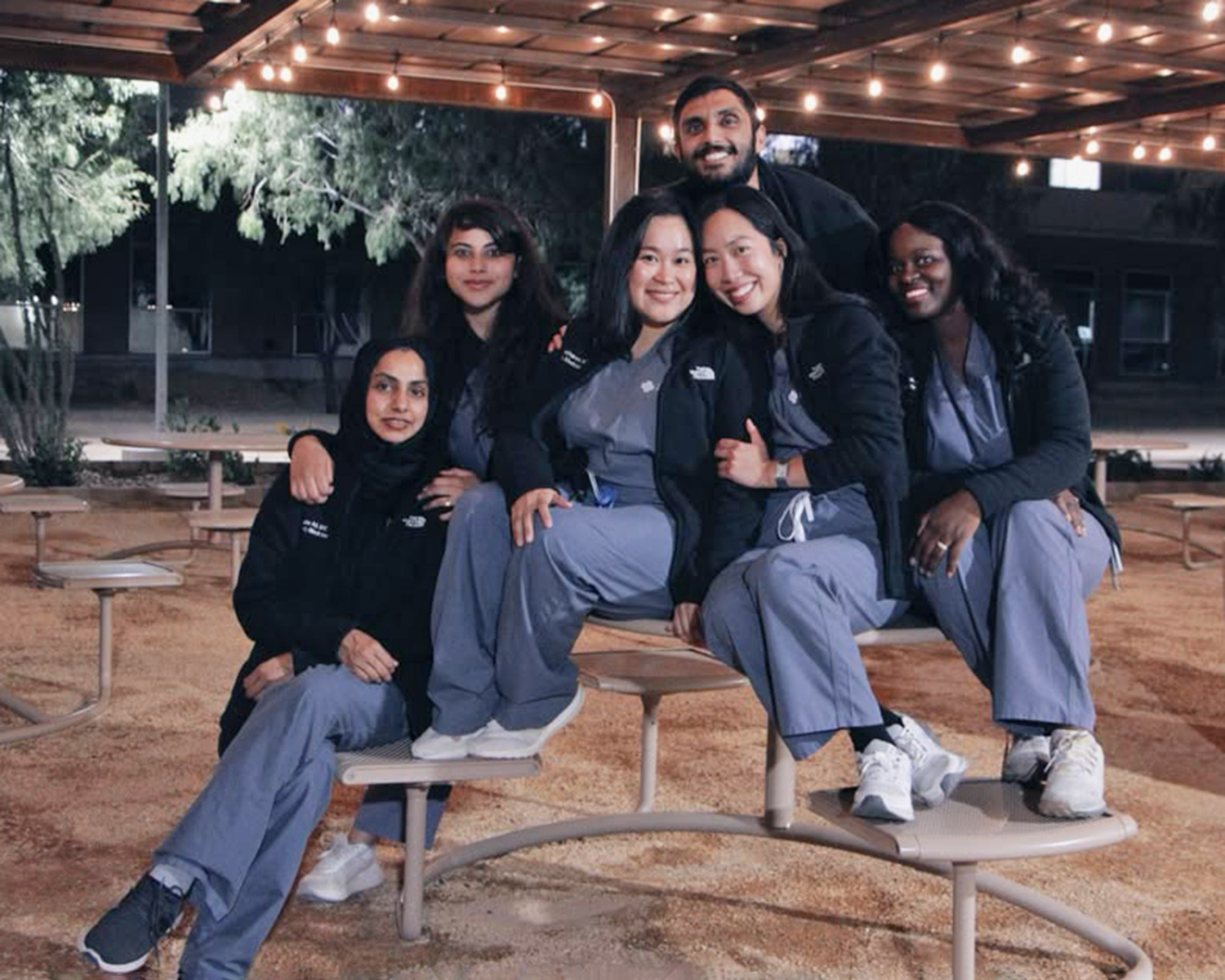
As I prepare to graduate from residency, I often return to Match Day. I remember sitting thousands of miles away from my family, sharing my match result through a phone screen. We cried together, connected by joy, separated by distance. It remains one of the happiest yet most emotionally complex moments of my life. At that time, I could not have imagined that I would one day help create a program designed to support others walking a similar path.
When I first arrived in the United States, I was searching for direction in my career. Over the course of this journey, I have realized the importance of building a network of friends and people I could call family members I could rely on during difficult times. I feel grateful to have found mine and to have had the privilege of fostering this sense of community among others.
For many of us, residency began far from home. Through the Wellness Passport, we learned that home is not always a place. Sometimes, it is people who understand your journey, celebrate your growth, and stand beside you through challenges. That may be the most enduring lesson of all.
The Wellness Passport began as a project. It became a community, a support system, and for many, a home away from home. The Wellness Passport changed me as much as it impacted participants. I found a deeper sense of purpose, and that has been the greatest gift. Professionally, it reinforced that physician well-being is as essential as clinical excellence. Research has shown that higher physician burnout is associated with poorer patient outcomes.
As I move forward in my career, I will carry these lessons with me. The Wellness Passport has shaped how I think about leadership, teamwork, and physician well-being. Wherever I go next, I hope to continue building spaces where physicians feel supported, connected, and valued.
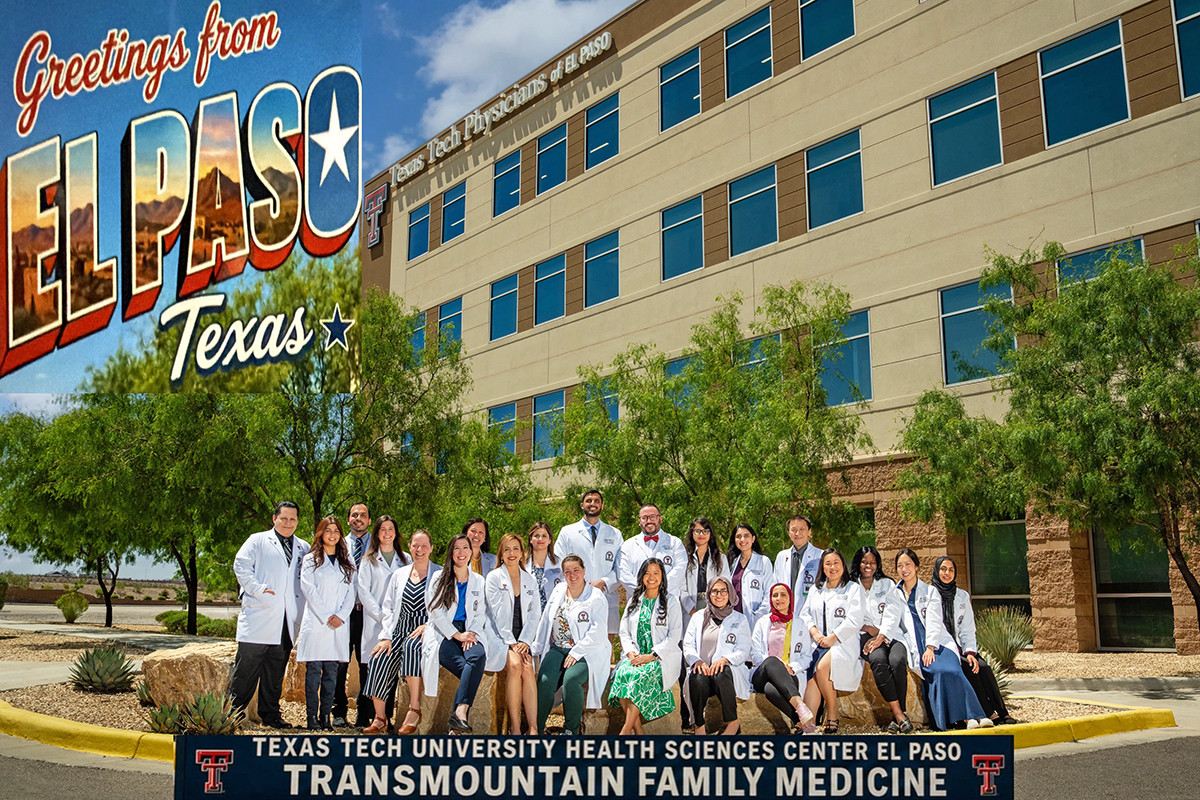
The Intealth Well-being Grant Opportunity awards grants of up to $5,000 to projects supporting the well-being of IMG physicians at their host institutions. In 2025, Intealth announced the winning projects of its third annual Well-being Grant Opportunity: Projects Supporting IMG Physician Wellness. The grants were awarded to three projects. This entry is about one of those projects. For more information on this initiative and details about this project, click here.