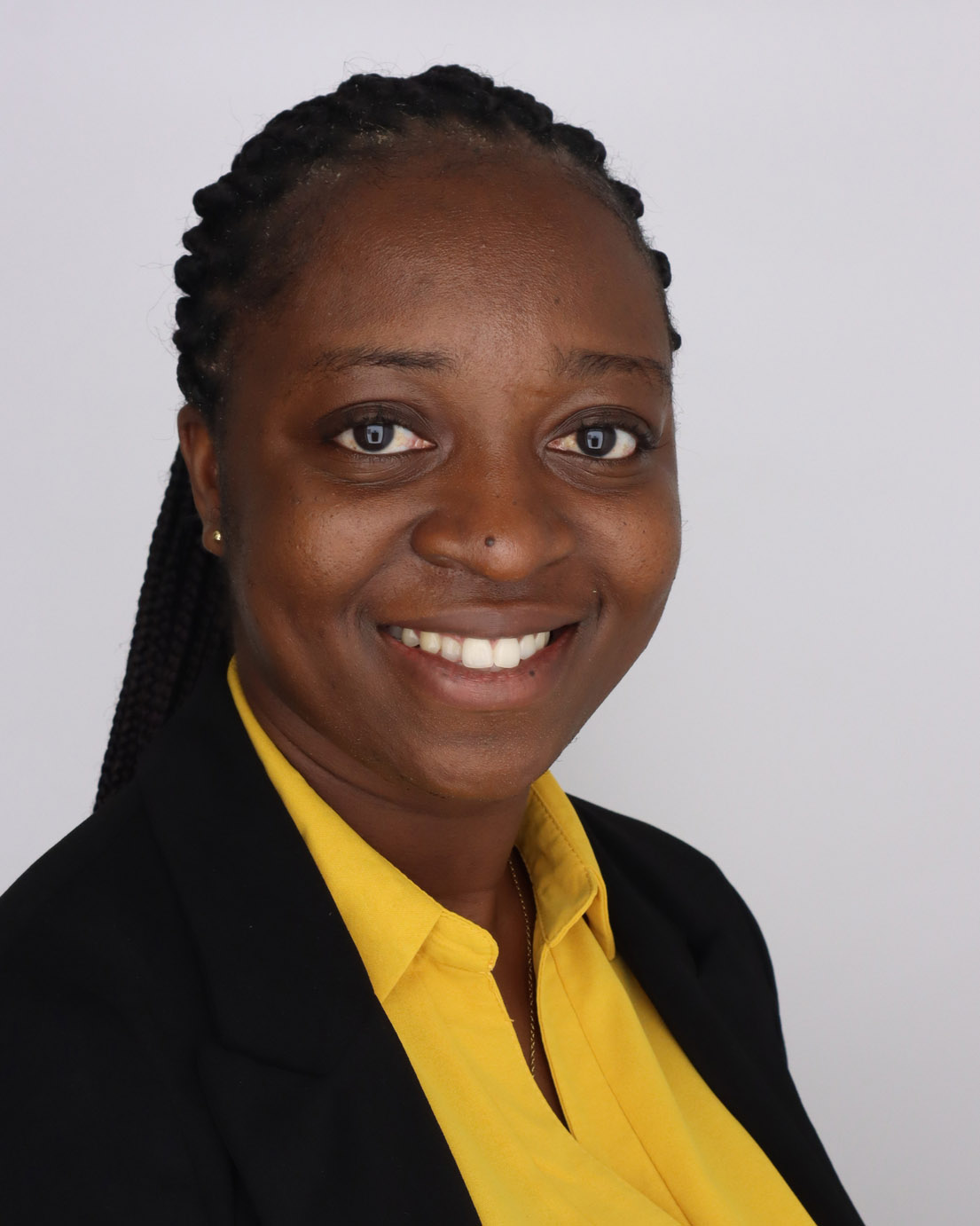
 By Dr. Belinda Kwartemaa Nti
Being an international medical graduate (IMG) is both an honor and a challenge. We carry the richness of our home countries—our languages, traditions, and training—while simultaneously learning to thrive in a completely new environment. Moving to the United States from Ghana for residency was my very first time traveling abroad. The excitement of beginning this new chapter was accompanied by deep uncertainty concerning the new systems, new expectations, and a healthcare structure vastly different from what I had known that I was about to encounter. Beyond the professional transition, there was the emotional weight of leaving family, friends, and everything familiar. Like many IMGs, I arrived with determination and gratitude, but also with moments of quiet self-doubt and homesickness that are rarely spoken about.
Learning about IMG Well-being Day was incredibly meaningful to me. It felt like a deliberate pause in the fast-paced world of medicine to acknowledge the resilience, sacrifices, and courage that define the IMG journey. For the first time since arriving, I felt that there was space to celebrate not just what we contribute clinically, but who we are as individuals. I shared the idea with our program leadership, and what followed was a collaborative effort to bring the day to life within the Mayo Clinic Pediatrics Residency Program.
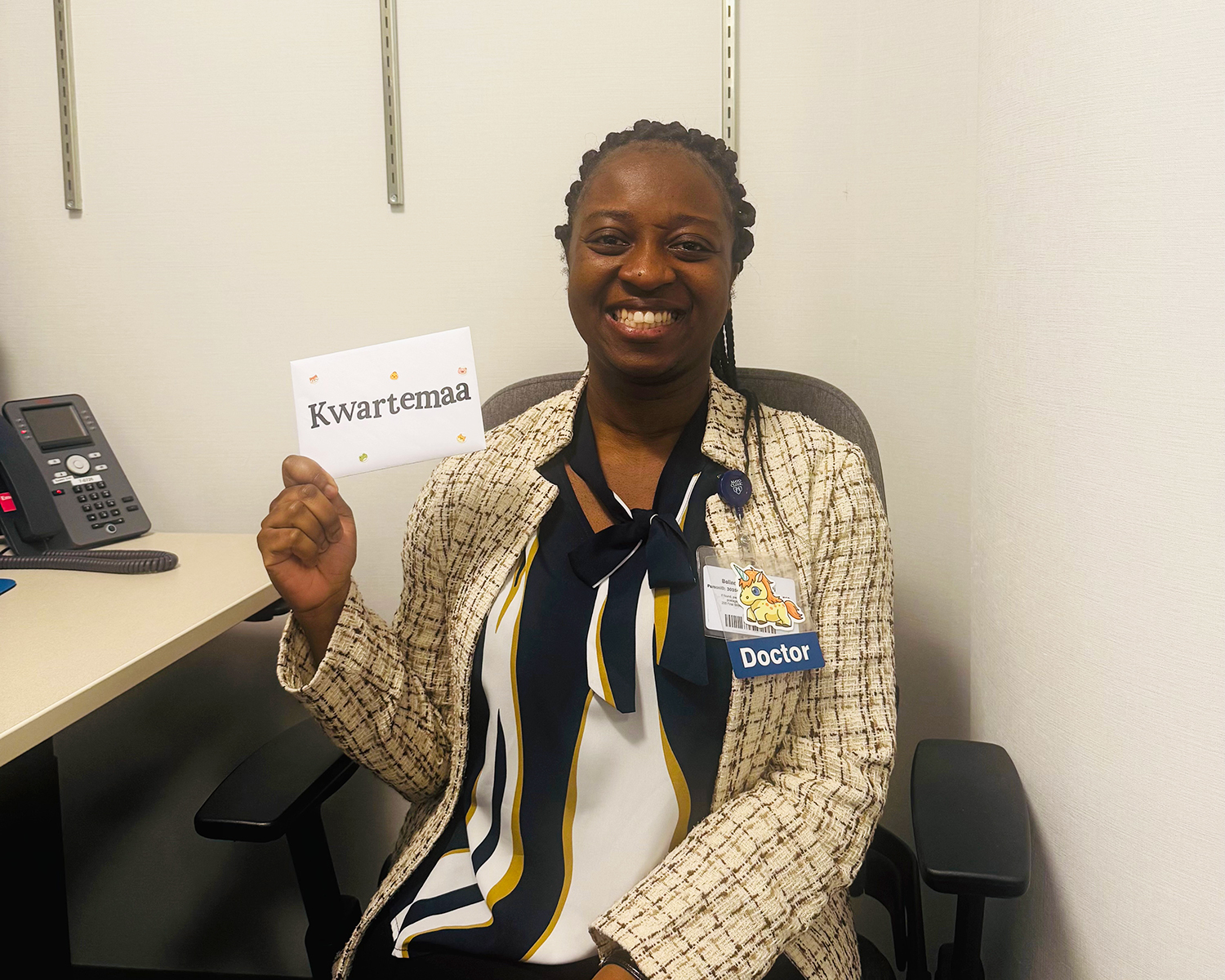
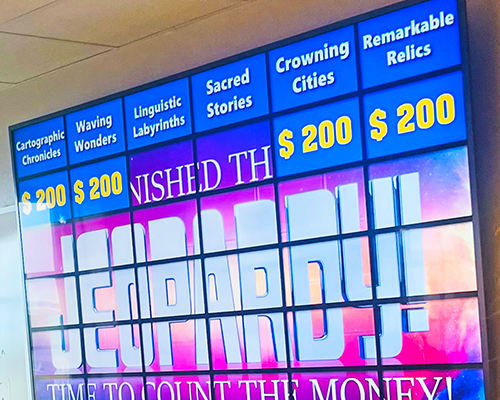
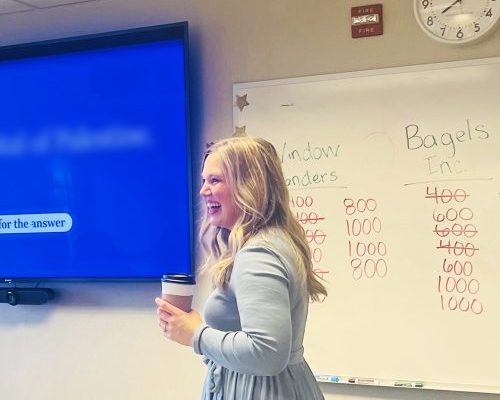
We wanted our IMG Well-being Day to be celebratory, interactive, and reflective of the many cultures represented within our program. During our conference, we hosted an “IMG Jeopardy” session that highlighted fun facts and shared experiences. The room quickly filled with laughter, storytelling, and moments of connection. We also incorporated a Ghanaian trivia segment, which gave my colleagues an opportunity to engage with my culture in a fun and interactive way. Watching co-residents enthusiastically guess answers and ask thoughtful questions reminded me how powerful cultural exchange can be in building understanding and belonging.
One of the most impactful moments came through something simple: handwritten cards. Each IMG received a personal note recognizing their contributions, along with information about institutional well-being resources. That small act was significant. In a profession where days often feel rushed and emotionally demanding, this gesture served as a reminder that support is not only available but is also intentional. Beyond the games and activities, what resonated most was the feeling of visibility. Residents expressed feeling seen: as individuals with unique stories, not just as trainees.
IMG Well-being Day became more than a celebration. It became a reminder that belonging does not happen by accident; it is cultivated through intentional recognition and community-building. It reinforced that while our paths may begin in different parts of the world, we are united by shared purpose and compassion. As I continue my training in the United States, I am deeply grateful to be part of a program that values inclusion and well-being, and I look forward to helping grow this tradition so that every current and future IMG feels seen, supported, and celebrated.
Headshot used with permission of Mayo Foundation for Medical Education and Research, all rights reserved.
A NOTE FROM INTEALTH:
IMG Well-being Day is observed annually on the last Friday in May. The next IMG Well-being Day will take place on Friday, May 29, 2026.
Dr. Nti’s experience offers a window into how well-being can be fostered within a residency program. In this instance, it took shape through deliberate efforts that helped IMG trainees feel recognized and appreciated.
IMG Well-being Day invites programs and institutions to consider how their own environments support that sense of belonging. Efforts such as conversation, recognition, or opportunities for cultural exchange can affirm not only the clinical contributions of IMG trainees, but the full identities they bring to medicine.