 By Dr. Bonaventure Ahaisibwe
If anyone had told me fifteen years ago—fresh out of medical school in Uganda—that I’d one day be starting a U.S. emergency medicine (EM) residency at George Washington University in Washington, D.C., I would have laughed and gone back to revising for my MPH course work. Yet, here I am, rounding on trauma patients, deciphering EKGs, and juggling IV pumps like a seasoned pro (on a good day). My journey here has been anything but linear—and that, perhaps, is its richest blessing.
You see, I didn’t take the traditional highway into U.S. residency. Instead, I came in via the scenic route: a fifteen-year detour through public health, where I built a fulfilling career in global health administration, rising to a senior executive position at an international nonprofit. I navigated policies, programs, partnerships, and plenty of PowerPoint. But life, as it often does, had a few plot twists in store.
A Specialty and a Pandemic Walk Into a Bar…
My unexpected romance with emergency medicine began with a specialty that didn’t exist in Uganda when I graduated medical school. It was love at first exposure—dynamic, unpredictable, hands-on. And like many dramatic love stories, mine was cemented during the COVID-19 pandemic, when the world felt like one big emergency room. I was working in global health, yes, but I was also intimately accompanying my mother through her final battle with terminal illness.
It was during those months that the gray zone of human vulnerability, whether in the ICU or the boardroom, became poignantly clear. Life, stripped to its essentials, is a delicate balance of decisions, uncertainty, and empathy. The boardroom and the ER, surprisingly, are more alike than different if you care deeply about the people behind the data or diagnosis.
An International Welcome and a Learning Curve the Size of the Potomac
Joining the EM residency program at George Washington University (GW) in the middle of the academic year (January start, anyone?) was another twist in the tale. But from day one, I felt like I had stepped into a global village of medicine. The melting pot of GW, with its two centuries of international collaboration, brims with ideas, accents, and aspirations. The diversity of faculty and trainees reminded me of home, and everywhere else I’d been.
Still, I had to unlearn and relearn in equal measure. Take diagnostics, for example. Back in Uganda, my clinical instincts were honed to a fine point because labs and imaging were scarce, costly, or both. Asking for a CT scan required the conviction of a philosopher and the resourcefulness of a magician. At GW, labs come in faster than my toddler’s snack requests; thus, I had to recalibrate my threshold for ordering them. On the plus side, my finely tuned bedside examination skills turned out to be quite the party trick.
Then came the ICU rotation. My goodness. The sheer volume of beeping machines, advanced therapeutics, and evidence-based algorithms was, at first, overwhelming. But just like learning to drive on the opposite side of the road, it became second nature… eventually. The structured autonomy of the residency program helped. First-year rotations spanned academic and community hospitals, where I was gently tested with support always within reach. By year two, I was confidently handling high-acuity shifts and consulting with other services like I’d been doing it for years (well… two, but who’s counting?).
The Many Worlds of D.C. (And the DMV)
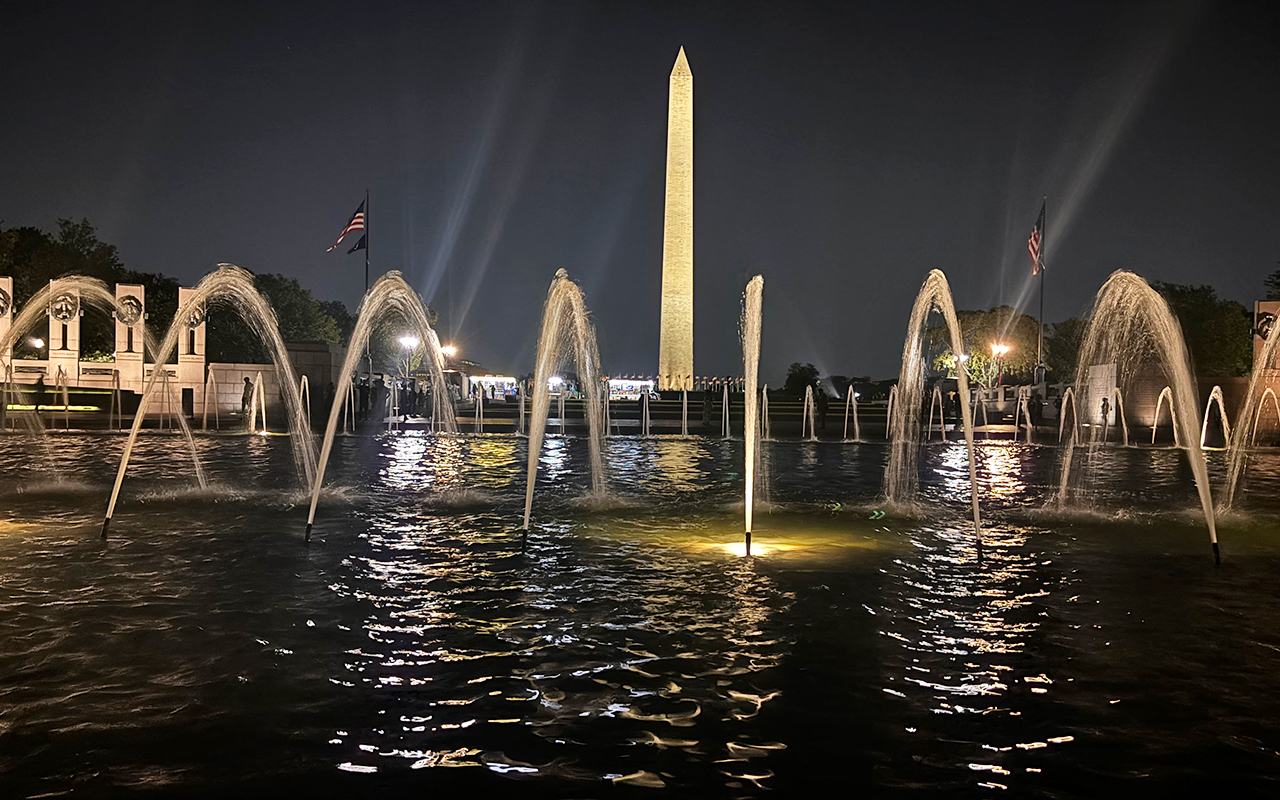
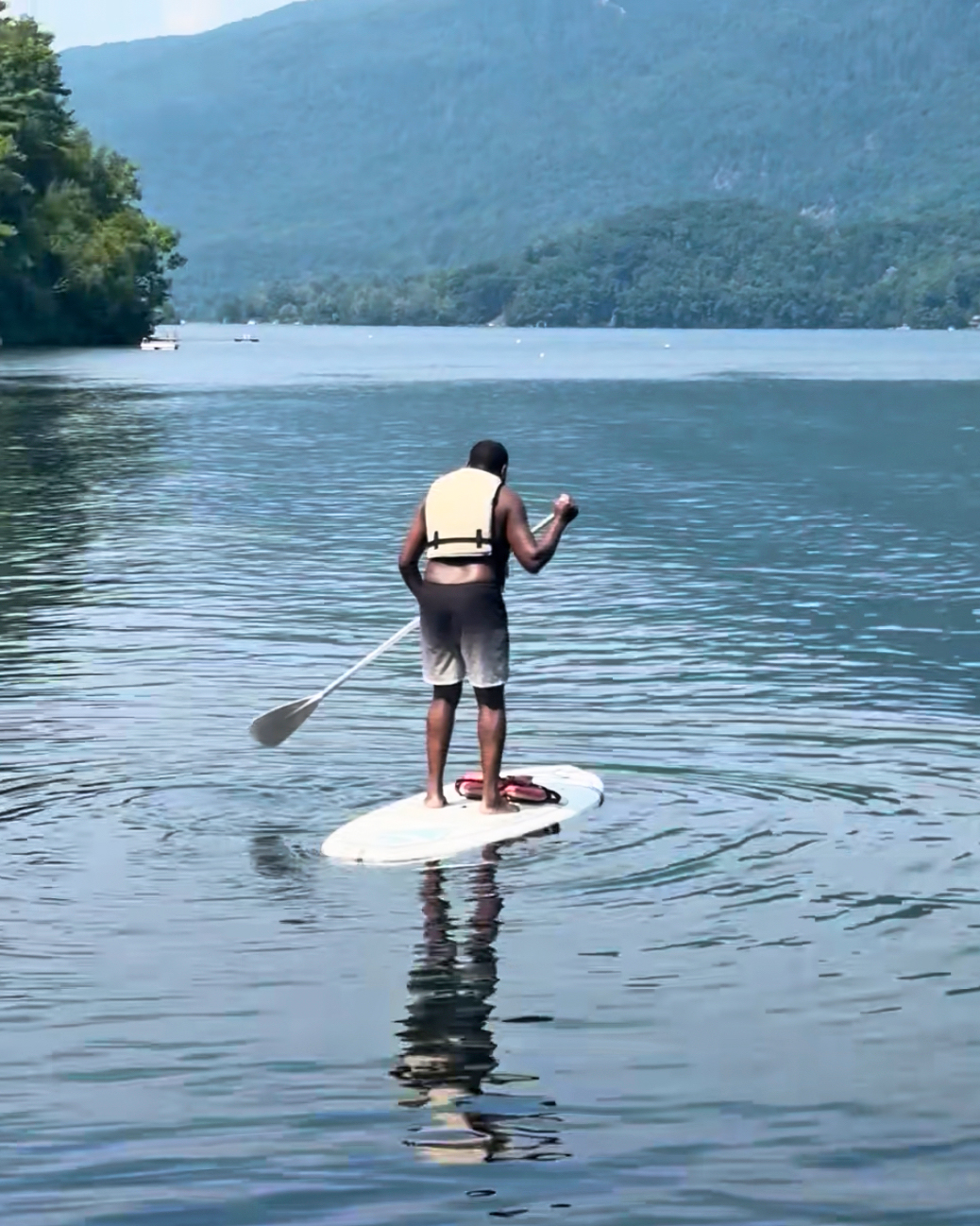
Outside the hospital, Washington, D.C., has been a delightful whirlwind of concrete, culture, and nature. Within a 20-minute radius, I can go from kayaking on the Potomac to debating healthcare policy at a Hill event to marveling at the Smithsonian’s latest exhibit. In the summer, the DMV (that’s D.C.-Maryland-Virginia, not your local driver’s license purgatory) bursts into a cultural carnival: parks, pools, parades, and people from every conceivable background. It’s an extrovert’s dream and a sociologist’s paradise.
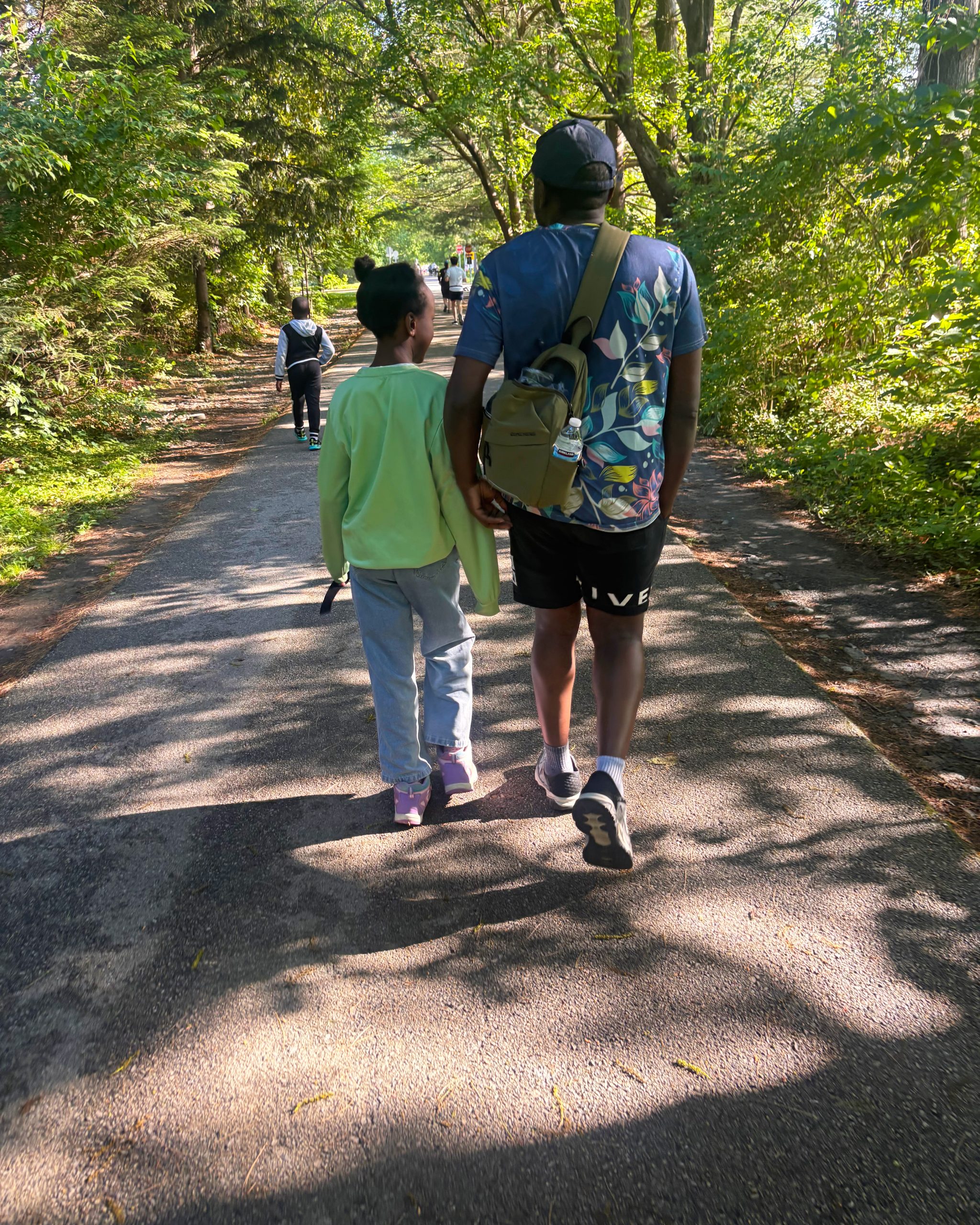
For our three kids, living in D.C. has been nothing short of magical. Where else can a child spend the morning at a puppet show in the vibrant Adams Morgan neighborhood, the afternoon splashing in a free water park, and the evening watching fireworks over the National Mall?
The ER: Great Equalizer of Humanity
Back in the ER, the beauty of emergency medicine unfolds in full display. Here, a senior public official sits beside a homeless person, both waiting to be seen. In those moments of shared vulnerability, illness spares no one. One of the most moving parts of my shift is watching fear dissolve into relief when a resuscitation is successful. The tears, the gratitude, the hope: it’s why we doctors do what we do, whether in Kampala or D.C.
And yes, occasionally someone will ask, “Where’s your accent from?” At first, I bristled at this question, wondering if it was a veiled jab. But soon I realized it was almost always genuine curiosity and usually opened a door to rich, cross-cultural conversations. I’ve lived and worked in multiple countries and learned greetings in at least 46 languages. Watching someone’s eyes light up when I say “Ni hao,” “Jambo,” or “Salam aleikum” in their native tongue is worth every minute spent on Duolingo.
Cross-Pollinating Knowledge—One Shift at a Time
These past two years at GW have been a two-way street. I’ve had the opportunity to share experiences from resource-limited settings—where we tackled malaria, Marburg virus disease, and tuberculosis without the luxury of MRIs or 24-hour labs—and to learn about conditions common here in the D.C. area that I rarely encountered before, like opioid use disorder and frostbite.
Emergency medicine, like public health, thrives on diversity—of thought, background, and experience. Having international medical graduates (IMGs) in U.S. residency programs isn’t just about filling gaps. It’s about enriching training, expanding perspectives, and bridging the domestic and global divides in healthcare.
If you ever hear someone call out, “Doctor!” in the ER with a Ugandan lilt, well, it just might be me. And if you ask me where I’m from, I’ll tell you: from Kampala to Capitol Hill, from nonprofit strategy to trauma codes; I am living proof it’s never too late to rewrite your story. The road has been winding, but it has led me to saving more lives and connecting more with humanity, and I wouldn’t trade it for anything. When I think of the journey still ahead, I think of my first name, Bonaventure, or “Bonaventura,” as the Italians and Spaniards charmingly prefer, a name that means good luck and holds a quiet promise tucked inside: good things lie ahead.