
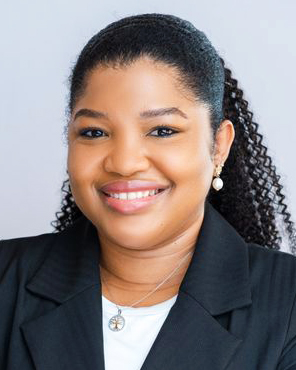
 By Dr. Sushania Pryce
“Out of Many, One People.”
That is the motto of my home country, Jamaica. Growing up, I did not fully understand the phrase; I thought it just meant “many people in one place.” However, as I got older, I started to understand and appreciate the deeper meaning of the phrase: out of many different people from various backgrounds, we are one.
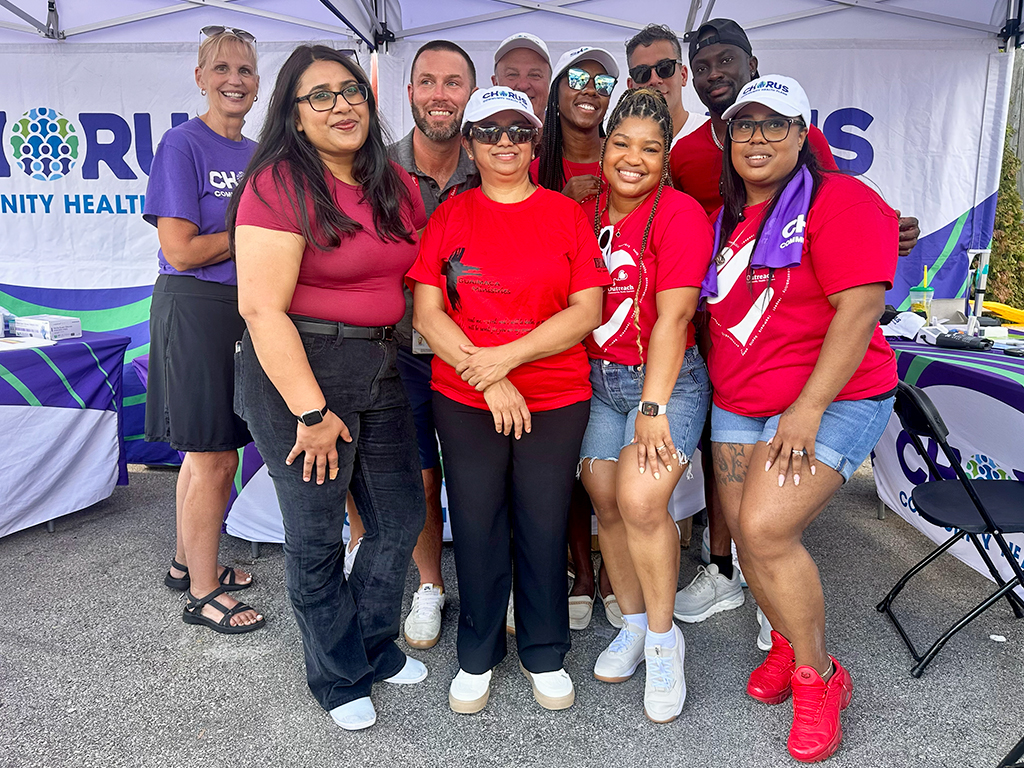
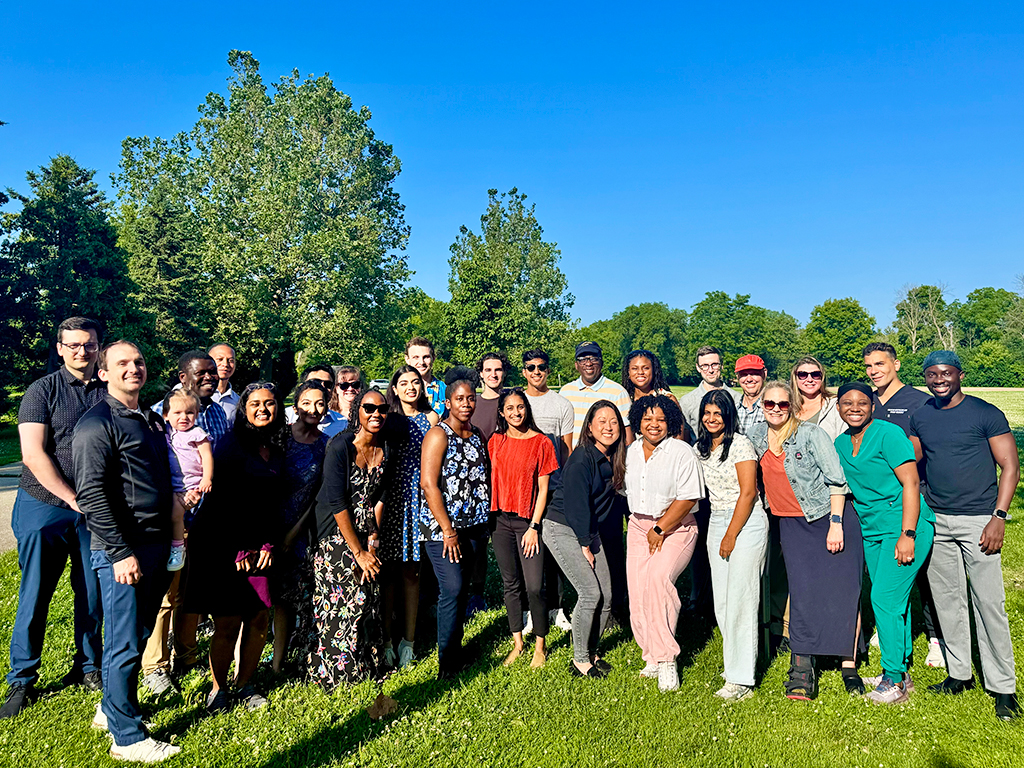
When we go through the Match, we have no idea who our co-residents will be. This is especially true when you apply for a brand-new program, like I did. Little did I know how many different people from various backgrounds my program would contain. I was fortunate enough to have matched into a program that exemplifies what it means to participate in cultural exchange. This is not just true for the residents, but also for the faculty and, most importantly, the patient population that we serve.
The first step in caring for our patients is getting to know them. The ability to build rapport with our patients to create trust is indeed the most important step in managing their care, especially those with a more complex medical history. Each time a patient comes to establish care with me, I always start with, “Tell me about your health.”
For me, it is simply not enough for a patient to tell me they have not been taking their medications; I always follow this up with, “Why?” I never stop asking why until I get to the root cause of the “non-compliance.” It is often much more complex than “I forgot” or “I just didn’t take it.” Usually, you’ll be able to uncover a deeper reason, and sometimes it all comes down to cultural beliefs and practices.
Another important aspect of building trust with our patients is allowing conversation surrounding beliefs and customs that are important to them. We tend to underestimate the importance of culture and cultural beliefs when it comes to health care outcomes, but understanding a patient’s culture and its role in their health can be as important as understanding disease pathophysiology. Of course, it is also important to uncover and identify the social determinants of health that remain a barrier to patient care.
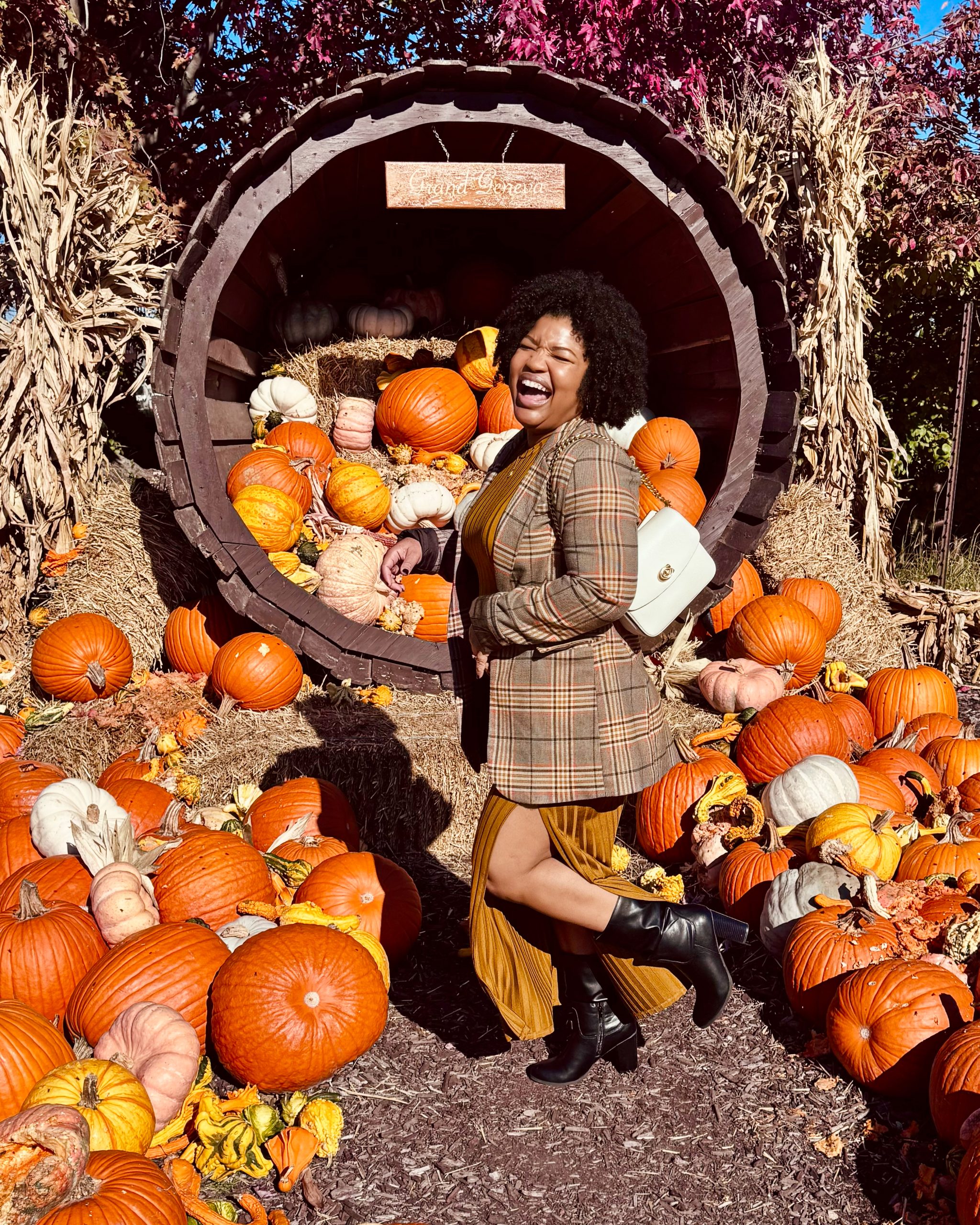
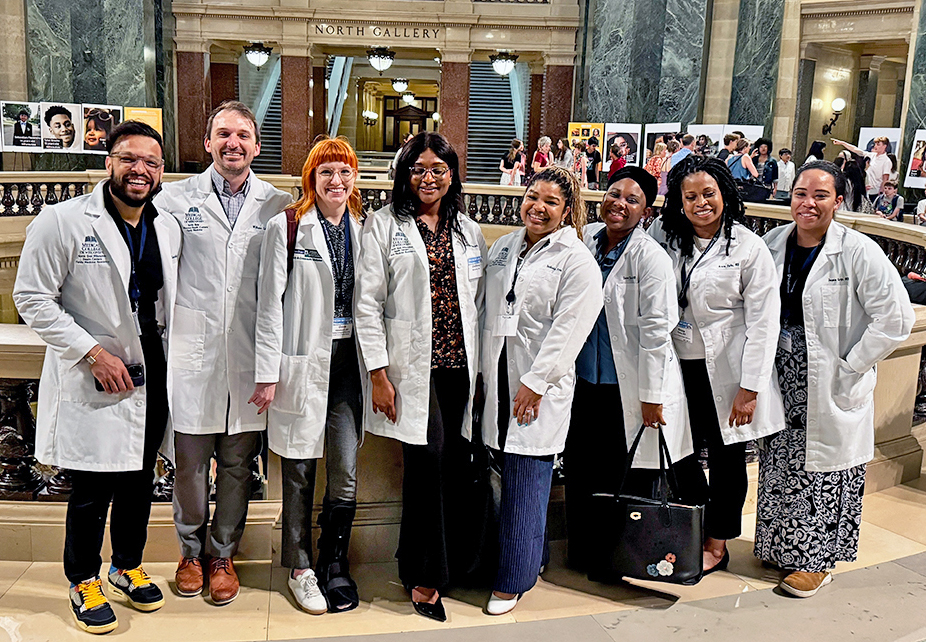
As a family physician, I believe in holistic care and meeting my patients where they are. This includes going into the community where we live, whether it be through volunteering or community engagement events. I am very fortunate to have matched into a residency program that has strong ties in the community that we serve. For example, I can do home visits to learn even more about my patients in order to provide the best care for them.
At the same time, being an IMG physician in the United States has afforded me the opportunity to fully immerse myself in American culture. This includes attending the local state fair, watching my first ever NBA game, discovering tailgating before watching a baseball game, and of course enjoying various cuisines. Lucky for me, I get to enjoy multiple cultural exchange experiences through my program alone. I particularly love game nights and residency potlucks, where we get to really have a “taste” of the different countries my program represents. I have also partaken in other cultural celebrations in my community, such as Festa Italiana, Bastille Day, and German Fest.
Understanding where people come from, their cultural beliefs, norms, and way of life is crucial to improving the health of any patient population. I aim to be a great doctor who is empathetic and can help care for her patients in a way that is unique to each of them. I am grateful for my training and my program for giving me the opportunity to engage in this cultural exchange that is crucial to my development as a family physician.
Dr. Sushania Pryce is a returning author to Journeys in Medicine. Read her entry from 2024, “How to Succeed in Your ‘Rookie’ Year,” and her entry from 2023, “From FOMO to Family Medicine.”